Table of Contents
- While coal premiums soar, insurance groups still supports oil and gas ...
- The End of Coal is in Sight - COP26 Update - Acuity Law
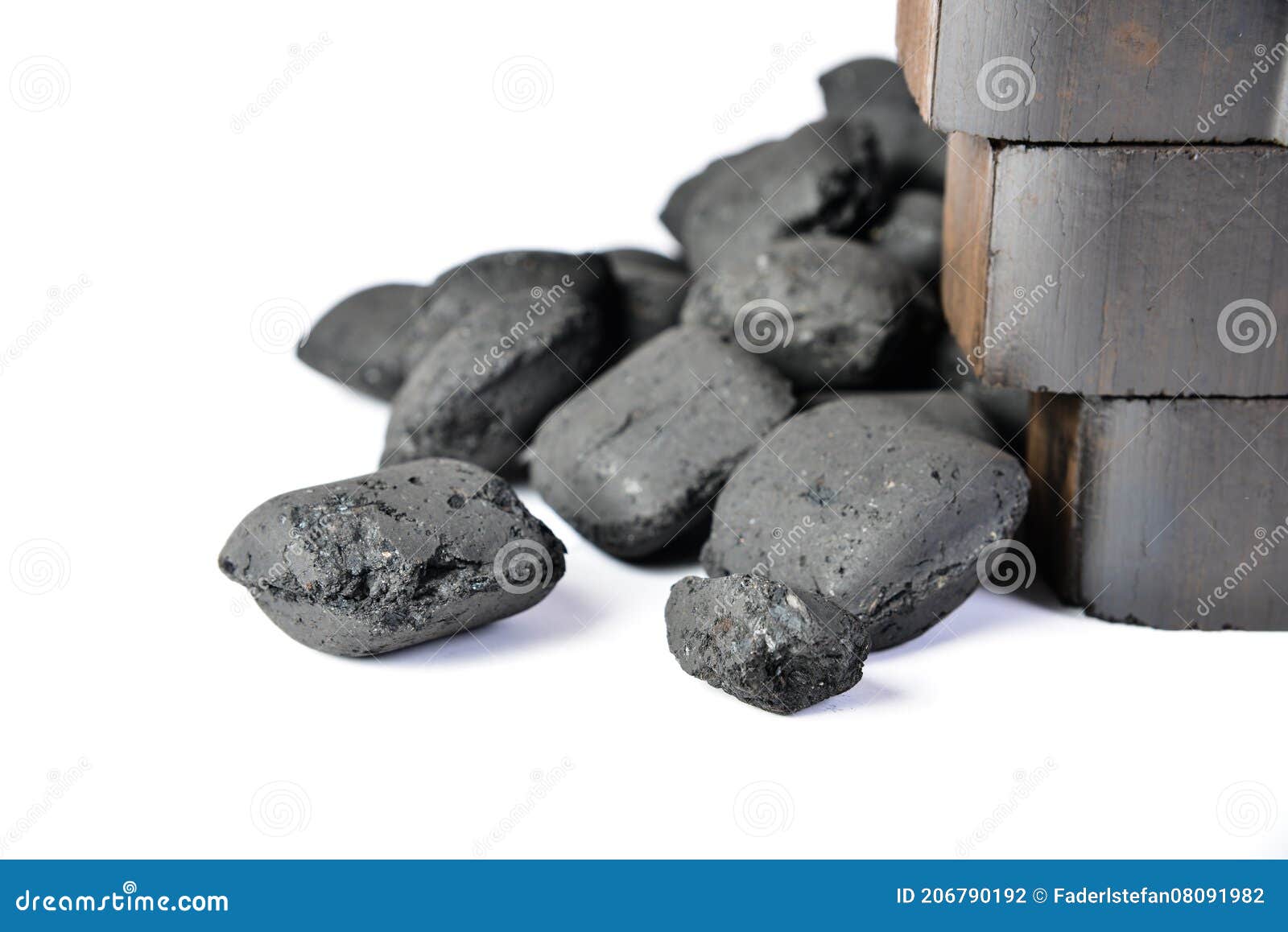
- Coal as a fossil fuel stock photo. Image of fuel, mineral - 206790192
- Dirty Coal – The Real Priority for the Paris Conference - Yale ...
- Coal is History - Political news from New Bush Telegraph
- COP26 coal agreement “falls spectacularly short” in addressing fossil ...
- Why the world struggles to say no to coal and fossil fuels | The National
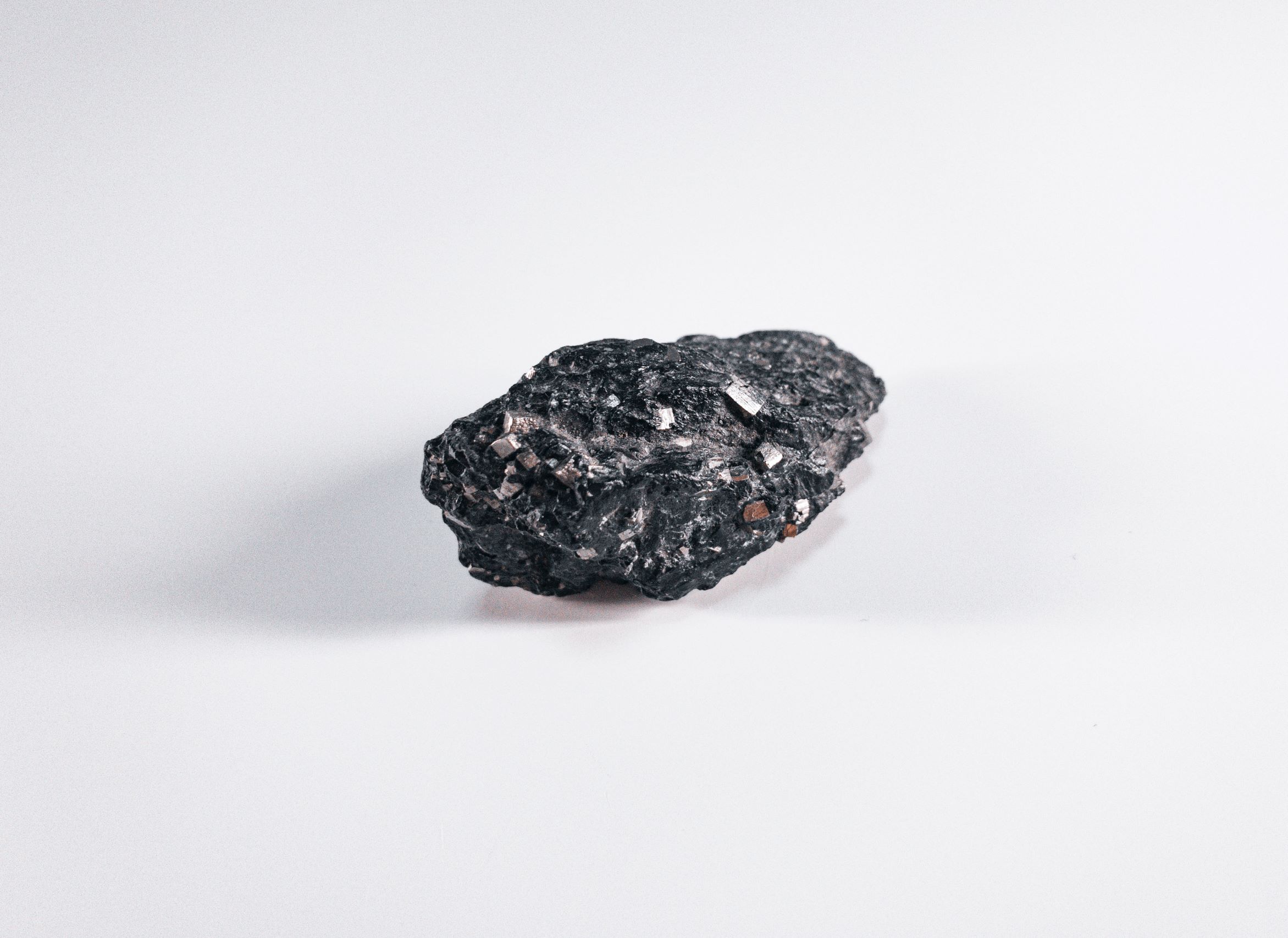
- Anthracite coal, a sample of the element Carbon in the Periodic Table
- Oregon Senate passes historic bill to ban coal power | Inhabitat ...
- Britain’s Record Coal Free Run Ends After 18 Days | usave.co.uk


What is Coal?


Uses of Coal
Types of Coal
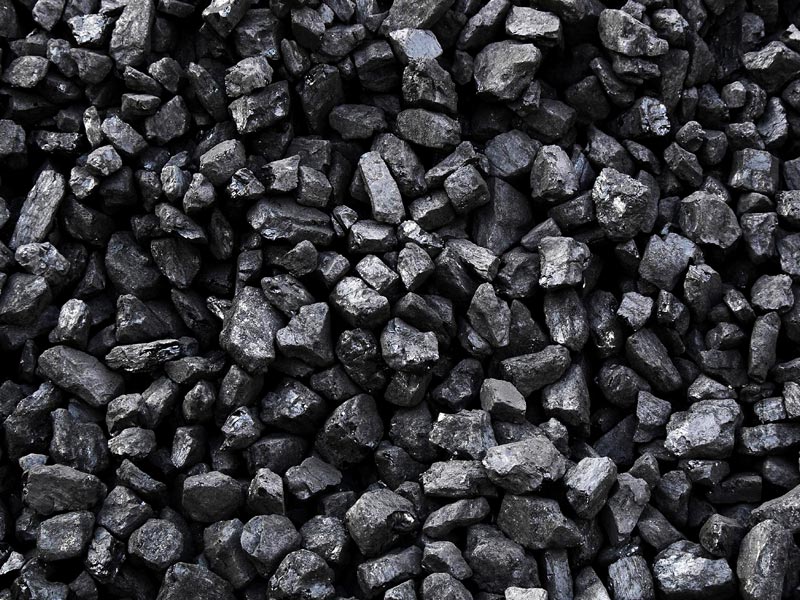
Coal is classified into four main types based on the carbon content and heat value: - Lignite: Also known as brown coal, lignite has the lowest carbon content and is used primarily for electricity generation. - Subbituminous Coal: This type has a higher carbon content than lignite and is used for both electricity and industrial processes. - Bituminous Coal: With a higher carbon content and higher heat value, bituminous coal is used for electricity generation, industrial processes, and for producing coke for steel production. - Anthracite: The rarest and most valuable type, anthracite has the highest carbon content and is used for residential and commercial space heating.
Pollution and Environmental Impact
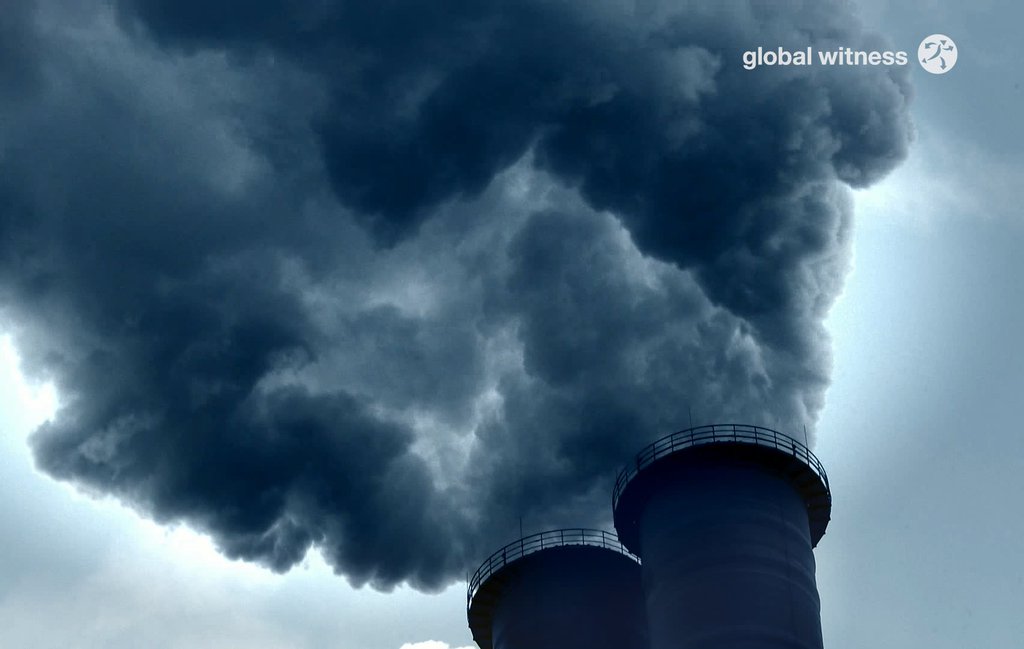
The extraction, transportation, and combustion of coal have significant environmental and health impacts: - Greenhouse Gas Emissions: Coal combustion releases large amounts of carbon dioxide, a major contributor to global warming. - Air Pollution: Coal burning releases sulfur dioxide, nitrogen oxides, and particulate matter, contributing to air pollution and negative health effects. - Water Pollution: Coal mining can lead to water pollution through the release of heavy metals and other pollutants.